
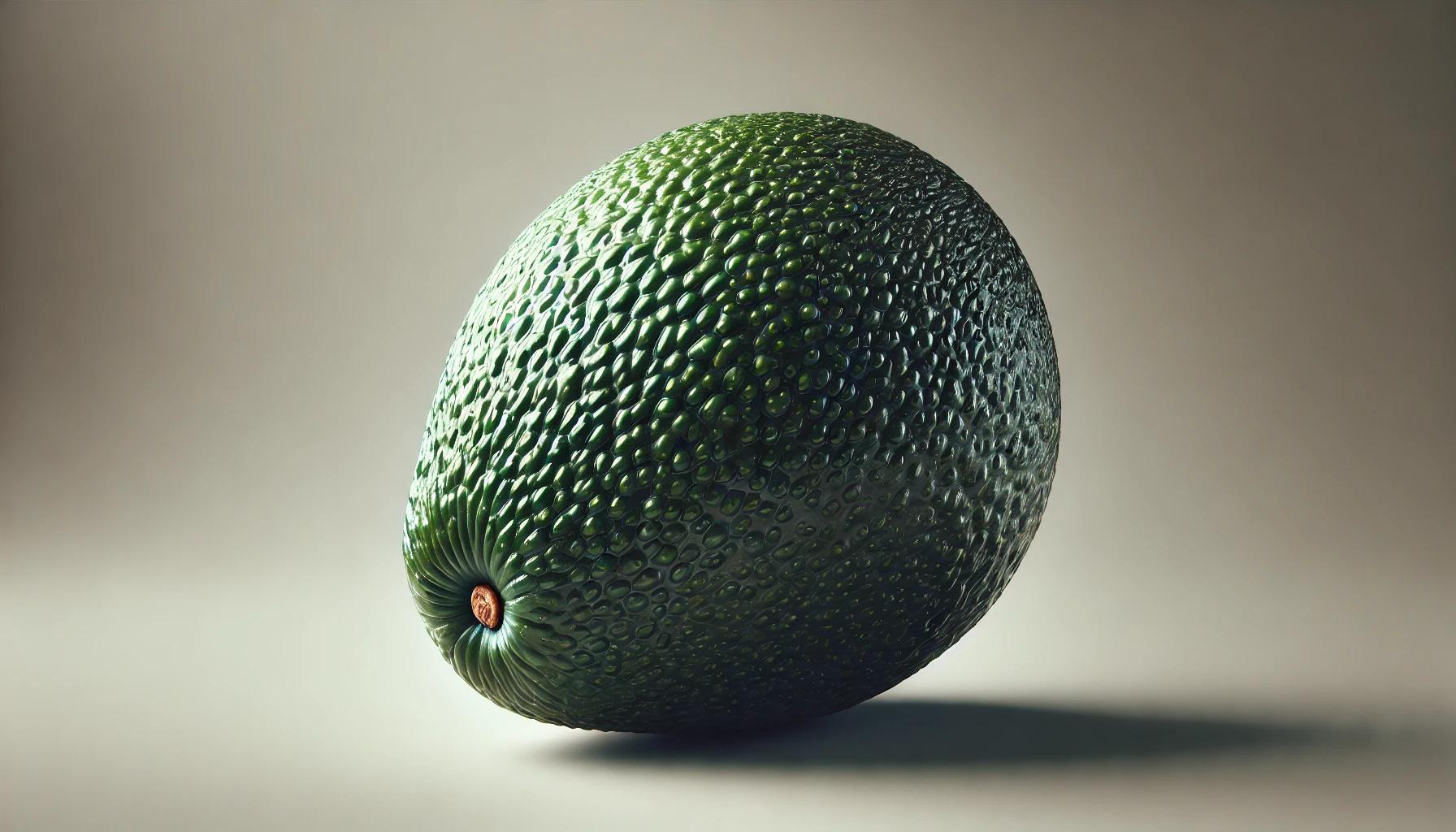
You can absolutely grow an avocado from a seed. It’s a simple and rewarding project, whether you’re looking to grow a leafy houseplant or have hopes of eventually producing fruit. However, producing fruit is rare and requires specific conditions, especially in a home environment. But don’t let that discourage you—growing an avocado plant is still a fun and fulfilling project, and the plant itself makes for a beautiful addition to your space. Here’s a step-by-step guide to get you started, troubleshoot common problems, and care for your plant in the UK.
Preparing the Seed
- Start with a Fresh Seed: Use a ripe avocado and carefully remove the seed. Rinse off any remaining flesh but avoid damaging the brown outer layer—it acts as a protective shell.
- Identify the Ends: The seed has two sides: a flat end (which goes in water or soil) and a pointy end (which faces upwards). Correct orientation is key.
- Choose a Germination Method:
- Toothpick Method: Insert three toothpicks into the seed to suspend it over a glass of water, ensuring the flat end is submerged. Germination means encouraging the seed to begin sprouting—this is the process where it develops roots from the bottom and a shoot from the top. Roots provide the plant with water and nutrients from the soil, while the shoot is essential for producing leaves and starting photosynthesis, which fuels the plant’s growth. Both are vital for the plant to grow.
- Alternative (No Toothpicks): Place the seed in a small jar of water, ensuring half the seed is submerged. Replace the water weekly to keep it fresh. This approach works by ensuring the seed stays moist and warm, mimicking the conditions it needs to start sprouting. This approach also stimulates germination by providing the moisture and warmth the seed needs to begin growing.
Germinating the Seed
- Patience Required: It can take 2–6 weeks for roots and shoots to appear. Patience is essential during this time, as the process can feel slow. However, it’s incredibly exciting to spot the first signs of sprouting—seeing the roots and shoots emerge makes the wait worthwhile. Regularly check water levels to ensure the seed remains moist, as this is crucial for successful sprouting. Keep the seed in a warm, bright spot but out of direct sunlight.
- Signs of Growth: The seed’s outer shell may crack as the root emerges from the bottom. A shoot will soon sprout from the top.
Transitioning to Soil
- When to Move: Once the roots are 5–7 cm long and a shoot has formed, it’s time to plant. Spring or early summer is ideal for transitioning to soil in the UK, as warmer temperatures and longer daylight hours support growth.
- Soil and Pot Setup:
- Use a pot with drainage holes.
- Fill with loose, well-draining soil like a mix of compost and sand.
- Plant the seed so the top half is above the soil surface.
- Watering: Keep the soil moist but not soggy.
Caring for Your Avocado Plant
- Light: Avocado plants love bright, indirect light. In the UK, a south-facing window is ideal. During winter or in low-light conditions, such as the short daylight hours typical in the UK, you can supplement with a grow light to ensure the plant gets enough brightness to thrive. A grow light can be a game-changer, especially during those dark months when natural light is scarce.
- Temperature: Avocados prefer warmth. Keep them in a room above 18°C, away from cold drafts.
- Watering: Let the topsoil dry out slightly before watering. Avoid waterlogged roots.
- Feeding: Feed every month during spring and summer with a balanced liquid fertilizer.
- Pruning: Trim the top to encourage bushy growth and manage its size.
Common Issues
- Seed Not Sprouting?
- Check the seed for freshness. Old or damaged seeds may not germinate.
- Ensure the seed’s orientation is correct and it’s kept in a warm spot.
- Yellowing Leaves:
- Likely caused by overwatering. Allow the soil to dry before the next watering. To check soil moisture, insert your finger about 2–3 cm into the soil—if it feels dry at that depth, it’s time to water. Alternatively, use a moisture meter for more accurate readings.
- Leggy Growth:
- “Leggy growth” happens when a plant grows tall and thin with weak, floppy stems. This usually occurs when the plant doesn’t get enough light, causing it to stretch towards the nearest source. The result is a fragile, unbalanced plant. To address this, place the plant in a brighter spot with good, consistent light. If natural light is limited, especially during winter, consider using a grow light to support healthy growth.
Beyond Growing
If growing isn’t working out or you’re looking for alternative uses, avocado seeds can be:
- Composted for soil enrichment.
- Used in Crafts: Carved into decorative items or dyed for natural colour.
- Boiled for Tea: Some people use ground seeds for their purported health benefits, though evidence is limited.
Conclusion
Growing an avocado from a seed is a rewarding, hands-on project. Picture it sitting on your windowsill, slowly sprouting roots and a tiny green shoot—watching it grow day by day can be surprisingly satisfying. While it may take years to bear fruit (if at all), the process of nurturing a plant is fulfilling on its own. Give it a go—you might be surprised at how satisfying it is to grow something from scratch.