
Growing lettuce is one of the simplest and most satisfying ways to dip your toe into home veg growing. It’s quick, easy, and forgiving, which makes it perfect for busy families, urban windowsills, or anyone with a few spare pots and a patch of sun. From soft butterheads to vibrant repeat-harvest mixes, there’s something for every taste and space.
Let’s walk through how to grow your own lettuce in the UK, step by step. Kettle on, notebook out, and let’s get growing.
1. Choosing Your Lettuce: Best Varieties for the UK
If you’re just starting out, go for loose-leaf or baby leaf types. They’re the quickest to mature and can be picked over several weeks. Some popular choices for UK growers:
- ‘Salad Bowl’ (green or red) – very easy, mild flavour, great for frequent picking
- ‘Little Gem’ – compact, sweet and crunchy hearts, ideal for small containers
- ‘Lollo Rosso’ – frilly, slightly bitter leaves with striking colour and good bolt resistance
- ‘Winter Density’ – a cos-type with dense, crisp heads that tolerate colder months
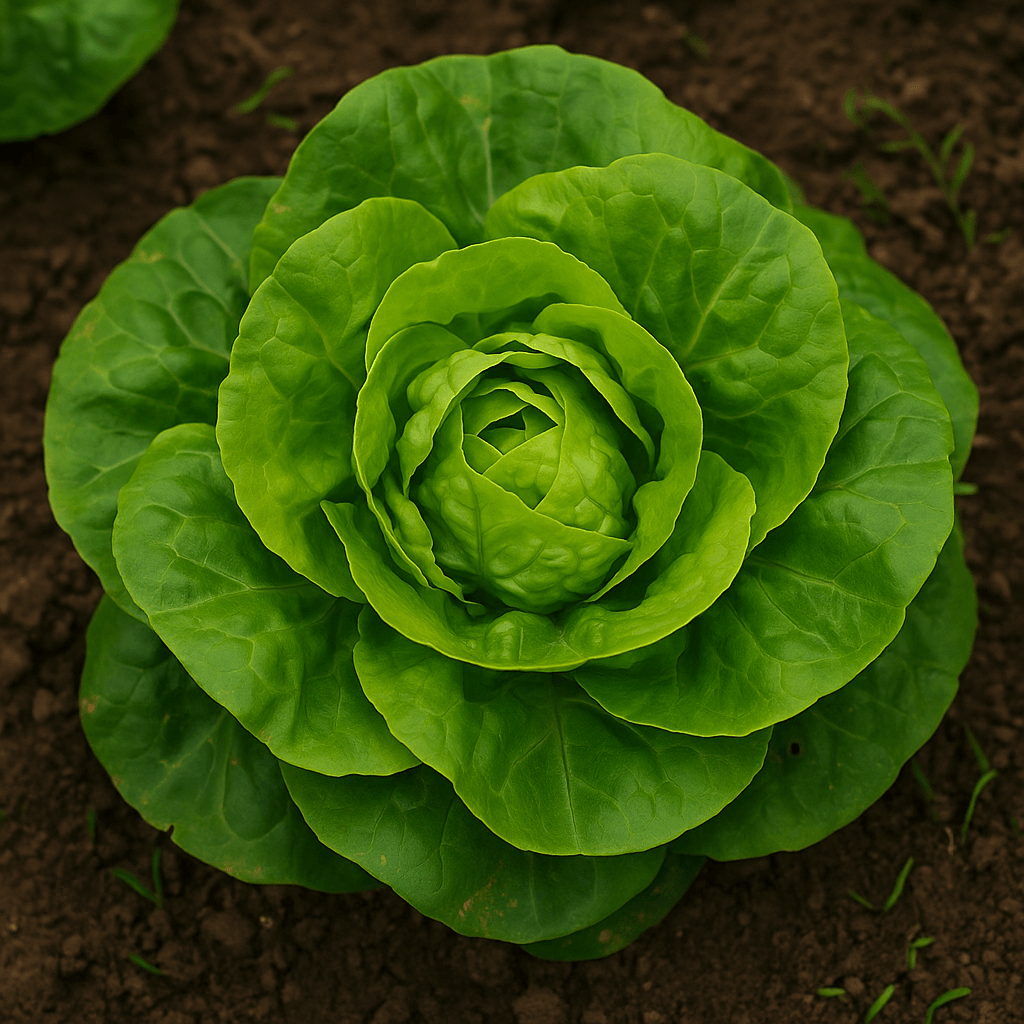
Most seed packets will state whether the variety is suitable for repeat harvesting or intended for a single full-head harvest. If you’re short on space, a mixed leaf blend will keep your salad bowl colourful and interesting.
2. When and Where to Grow Lettuce
When to sow:
- Under cover: February to March (cold frame, greenhouse or windowsill)
- Outdoors: March to September, depending on variety
Lettuce thrives in cooler temperatures, making spring and autumn ideal. In summer, think of your lettuces like fair-skinned holidaymakers – they’ll appreciate some shade in the midday heat.
Light: While lettuce likes full sun, too much heat can lead to bolting (when the plant shoots up to flower and turns bitter). If possible, give it morning sun and some protection during the hottest part of the day.
Soil: A rich, well-drained yet moisture-retentive soil works best. Dig in compost or well-rotted manure before sowing. In containers, use a peat-free compost mix with added perlite or vermiculite (materials that improve drainage). Shallow containers (around 15cm deep) are fine for baby leaves, but deeper ones are better for full heads.
3. How to Sow and Grow Lettuce
Sowing:
- Direct sow: Draw shallow drills and sow thinly in rows spaced about 30cm apart. Cover seeds lightly with soil and water gently.
- In trays: Use seed modules (small cells in a tray), sowing two to three seeds per cell. Thin to one seedling per cell and transplant outside once the plants have four to six leaves and have been hardened off (gradually exposed to outdoor conditions over a week).
Spacing: Loose-leaf types can be spaced around 15cm apart. For hearting lettuces like ‘Little Gem’, aim for 25 to 30cm to allow heads to develop fully.
Watering: Lettuce has shallow roots, so they’re fussy about moisture – not too dry, not waterlogged. Early morning watering sets them up for the day and helps keep mildew at bay.
Feeding: In fertile soil, feeding is optional. In pots or tired beds, a splash of seaweed feed every fortnight will perk them up nicely.
Mulching: A mulch (layer) of compost, grass clippings or straw keeps roots cool, moisture in, and slugs grumbling.
In containers: Think window boxes, wide troughs, or even upcycled washing-up bowls with holes in the bottom. Keep them near the kitchen door for easy picking.
4. Common Problems and How to Prevent Them
Slugs and snails: The usual suspects. Try copper tape, crushed eggshells, beer traps, or get out there with a torch after dark – a proper slug safari.
Aphids: Tiny green sap-suckers that gather on new growth. Knock them off with water or fingers, and invite ladybirds round for lunch by planting marigolds nearby.
Bolting: Your lettuce’s way of saying it’s fed up. Triggered by stress, heat or drought. Keep them watered and shaded, and pick regularly to avoid bitterness.
Bitter leaves: A common complaint if leaves are left too long or the plant dries out. Harvest young, water consistently, and pick in the cool of the day for the sweetest flavour.
Mildew and rot: Keep leaves dry, space plants well, and don’t crowd them. A bit of breeze does wonders for lettuce health.
5. Harvesting Lettuce
Repeat-harvest types: Snip outer leaves as you need them, and the centre will keep producing. It’s like having a living salad bar.
Hearting types: Wait until the head feels firm. Use a sharp knife to cut at the base, then enjoy the crunch. Don’t dawdle or they’ll bolt.
Timing: Morning is best – crisp, cool, and full of flavour. If they droop later in the day, a cold water bath can revive them.
Storage: Wrap leaves in a damp tea towel and pop in the fridge. They’ll keep up to a week, but they’re always best fresh. Don’t bother freezing – they’ll just weep when thawed.
6. Bonus: Regrowing Lettuce from Kitchen Scraps
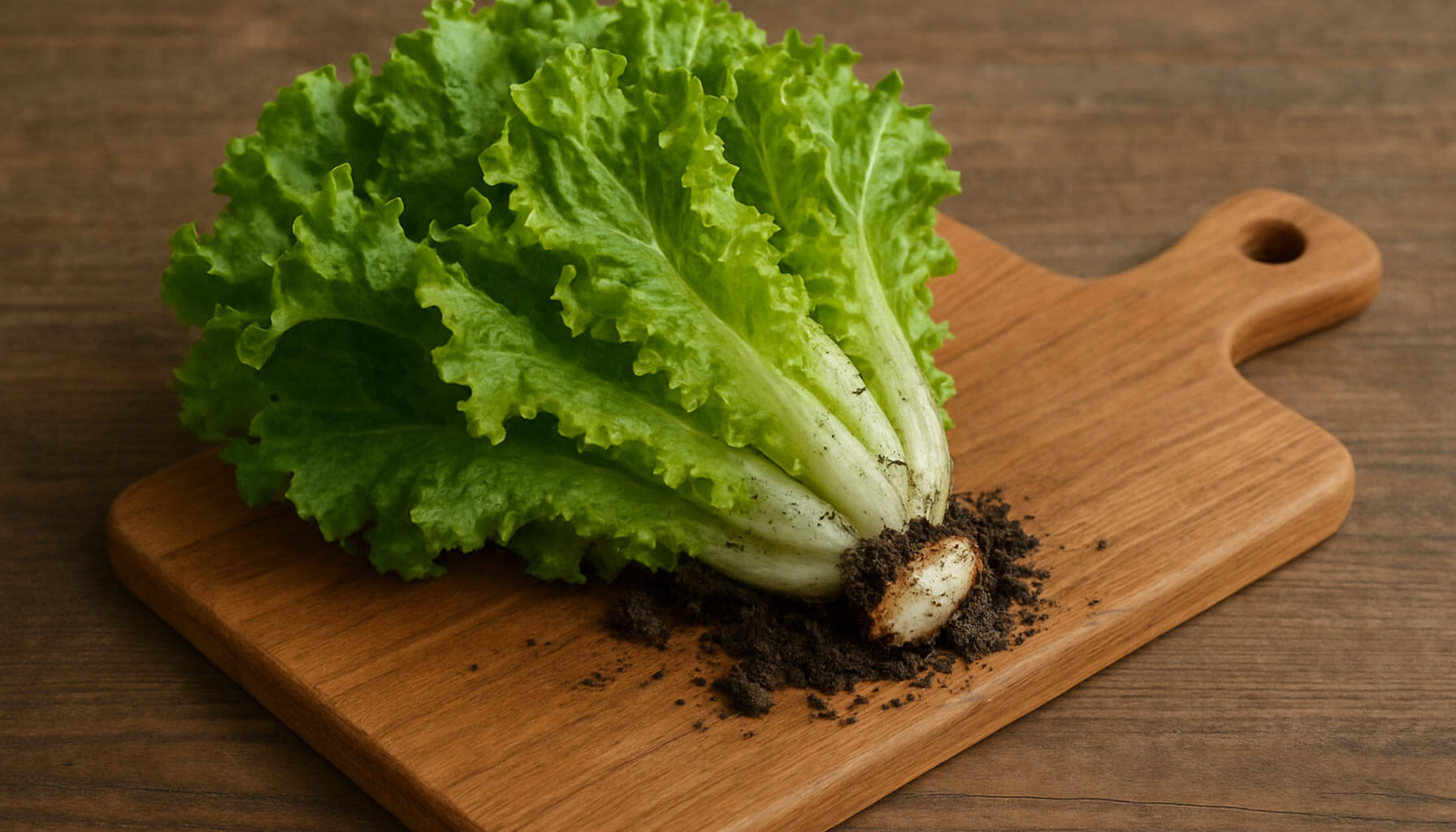
Got a supermarket lettuce stump? Pop it in a shallow dish of water near a sunny window. Change the water daily and you’ll see new leaves in days. It won’t grow a full head, but it’s a fun way to stretch your salad.
For serious growing, just keep sowing little and often. A small tray of fresh seedlings every couple of weeks keeps the salads coming.
7. Final Tips and Seasonal Advice
- Succession sowing: Every two to three weeks from March to September. Easy to forget, so set a reminder.
- Winter growing: Try hardy types like ‘Arctic King’ under cloches or in an unheated greenhouse.
- Crop rotation: Don’t plant in the same patch year after year – mix it up to avoid pests.
- Weather watching: Hot spell? Delay sowing. Cold snap? Use fleece. Gardening is half skill, half listening to the forecast.
With a bit of care and a watchful eye, you can enjoy fresh, homegrown lettuce from early spring into the depths of winter. Tastes better, costs less, and gives you bragging rights at the allotment gate.