
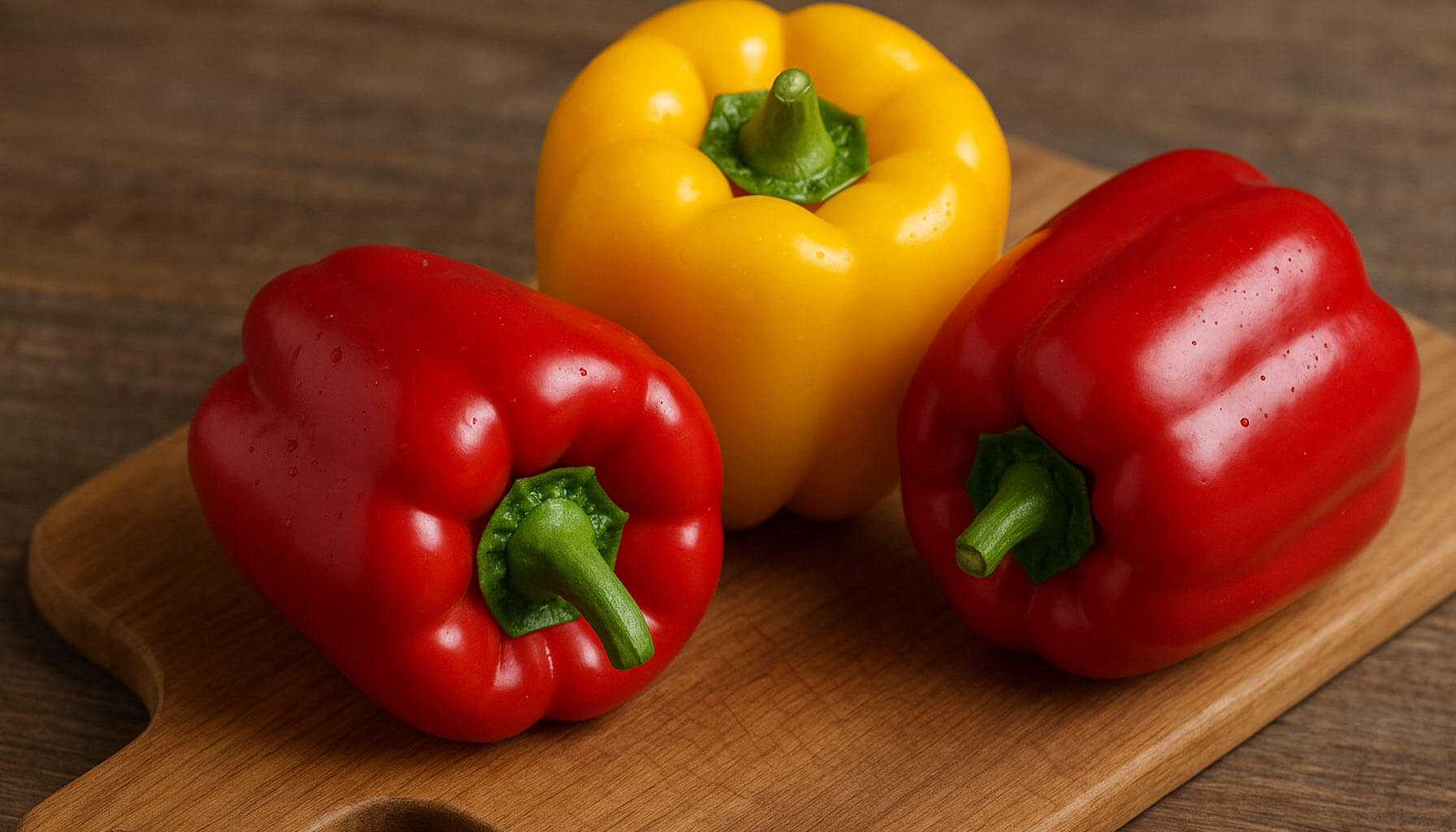
Peppers are slower and fussier than tomatoes, but they repay a bit of TLC with crisp, colourful fruits. In the UK they need warmth, shelter, and a long season, so most beginners do best with pots on a sunny patio or in a greenhouse. Follow these steps and you’ll be slicing homegrown peppers by late summer.
Where to Grow Peppers: Pots, Ground or Greenhouse?
Pots (best for most beginners): Warm up faster than soil, easy to move, simpler to feed/water. Use 25–30cm pots for one plant; 35–40cm gives bigger crops. Dark pots hold heat.
Greenhouse/Polytunnel (most reliable): Consistently warmer, sheltered from wind and rain = more flowers and fruit. Even unheated tunnels make a big difference.
Ground outdoors (possible in warm, sheltered gardens): Choose a south-facing spot against a wall or fence. Soil must be free-draining and fertile. Yields are less reliable in cool summers.
Quick verdict: For dependable UK results: greenhouse first, then sunny pots, with open ground a distant third.
Sowing & Germination: Getting Started Early
When to sow: Start indoors January–March (earlier in the south, later in the north). Earlier sowings need strong light to avoid leggy seedlings.
How to sow (step-by-step):
- Fill modules or 7–9cm pots with peat-free seed compost.
- Sow 2 seeds per cell/pot, 5mm deep.
- Mist and cover lightly with vermiculite or compost.
- Maintain 20–25°C (a heated propagator is ideal; an airing cupboard is too dark).
- Provide bright light as soon as seedlings emerge (south-facing window or grow lights).
- Germination takes 7–21 days; keep compost just moist, never soggy.
- Once both seedlings emerge, snip off the weaker one at soil level.
Seed prep & supermarket seeds: Soaking isn’t necessary; warmth and light matter more. Seeds from shop peppers can germinate but are unpredictable for flavour and yield—use reputable seed for reliable results.
Common pitfalls: Sowing too early without adequate light (leggy plants), letting compost dry out, or overwatering cold compost (rots seed).
Planting Out & Early Care
Potting on: When seedlings have two true leaves, move to 9cm pots. Pot up gradually (9cm → 1–2L → final pot) to avoid waterlogged compost around small roots.
Compost mix: A good peat-free multipurpose with 10–20% perlite for drainage works well. Add a slow-release organic fertiliser for steady growth.
Hardening off: From May, acclimatise plants over 7–10 days—out by day, in by night—especially if nights dip below 10°C.
Final planting time: After the last frost: typically late May to early June (earlier under cover). Outdoors only when nights are reliably ≥10°C.
Spacing: Greenhouse beds: 45cm between plants, 60cm between rows. Containers: one plant per 25–30cm pot (10–12L), or two in a 40cm (20–25L) tub.
Initial support: Add a 60–90cm cane at planting and tie loosely.
Looking After Pepper Plants
Watering (little and often): Keep evenly moist. In warm spells, expect 1–2L per plant every 2–3 days in pots; less in cool spells. Avoid saucers full of water—roots need air. Mulch pots with compost or bark to slow drying.
Feeding timeline: Start high-potash feed (tomato feed) once the first flower buds appear: every 7–10 days, increasing to twice weekly when plants are fruiting heavily. Avoid too much nitrogen (gives leaves not fruits).
Training & support: Tie in to the cane as stems lengthen. For bushier plants, keep 2–3 main stems. Remove any weak side shoots low down that crowd the base.
Pinching out: Optional but helpful. Pinch the tip at 30–40cm to encourage branching, especially for bell peppers. Some growers remove the very first ‘king’ flower/fruit to push more vegetative growth—useful for compact plants in small pots.
Leaf management: Leaves are solar panels—keep most of them. Remove only yellowing, damaged, or very low leaves to improve airflow. Keep a modest canopy to shade fruits from sunscald behind glass.
Temperature & humidity targets: Day 20–26°C, night 15–18°C; avoid >30°C for long periods. Moderate humidity (40–70%) reduces flower drop and improves pollen viability.
Flowering & Fruit Set
Pollination under cover: On warm late mornings, gently tap or shake plants, or brush between flowers. Ventilate greenhouses to let insects in and to avoid heat build-up.
Why flowers drop: Temperature spikes or chills, low light, very dry or waterlogged compost, or heavy feeding with nitrogen. Keep conditions steady and watering consistent.
Fruit timeline: After pollination, tiny fruits form within 1–2 weeks. They typically size up over 3–6 weeks, then colour over a further 2–4+ weeks depending on variety and warmth.
Physiological issues: Blossom-end rot (dark sunken patch) comes from erratic watering and poor calcium movement—keep moisture even; don’t let pots swing from bone-dry to drenched.
Harvesting Peppers
Green vs coloured: All peppers start green. Pick green for a fresher, sharper flavour and to encourage more fruit set; leave to ripen for red, yellow, or orange sweetness.
When to harvest: Fruits are ready when firm, glossy, and full-sized. Cut with secateurs to avoid tearing the stem.
Encouraging more fruit: Regular picking, especially of green peppers, stimulates more flowering.
End of season: In September, bring pots into a conservatory, porch, or sunny windowsill to ripen the last fruits. Strip off any small, undeveloped fruit so the plant puts its energy into finishing the larger ones.
Best Pepper Varieties for UK Gardens
California Wonder: Classic blocky bell pepper, reliable in greenhouses and pots, ripens from green to red.
Sweet Banana: Long, tapered yellow fruits, early to ripen and good outdoors in a warm spot.
Gypsy: Compact plants, sweet peppers that start pale green and ripen red, ideal for pots.
Etna: Early-ripening, smaller fruits, great for shorter UK summers.
Hungarian Hot Wax (if you fancy a mild chilli): Easy to grow, tolerates cooler conditions, fruits ripen yellow to red.
Troubleshooting: Common Pepper Problems
Yellow leaves: Often caused by overwatering, poor drainage, or lack of feed. Check pot drainage and begin regular feeding once plants flower.
No flowers or fruit: Usually too much nitrogen feed (lots of leaves, no flowers) or low light. Switch to high-potash feed and ensure plants get maximum sun.
Flowers dropping: Can be from temperature stress (too hot or cold) or inconsistent watering. Keep conditions steady and ventilate greenhouses.
Peppers not ripening: Common in cooler summers. Pick a few green to encourage more fruit, and move pots to the warmest spot possible to help ripening.
Pests: Aphids cluster on soft growth—wash off with a spray of water or use organic insecticidal soap. Red spider mite causes mottled leaves in hot, dry greenhouses—raise humidity with a misting. Slugs may nibble young plants outdoors—use organic pellets or barriers.
Pepper Growing Calendar (UK)
January–February: Sow seeds indoors in heated propagator or on a warm windowsill.
March: Continue sowing; prick out seedlings into 9cm pots when large enough to handle.
April: Pot on into larger containers, keep under cover. Start feeding lightly once plants are growing strongly.
May: Harden off plants gradually. Plant into final pots or greenhouse beds late in the month.
June: Plants should be established, with first flowers forming. Start regular high-potash feeding.
July: Fruits begin to set. Water consistently, ventilate greenhouses. Support plants with canes.
August: Main cropping month. Pick green peppers or leave to colour. Keep feeding and watering.
September: Continue harvesting; bring pots indoors or under cover to finish ripening. Remove small undeveloped fruit.
October: Last harvests. Clear plants, compost spent material, and plan next year’s crop.
Quick Questions Gardeners Ask
Can I grow peppers from supermarket seeds? Yes, but the results are unpredictable. Germination is variable, and the fruit may not match the original pepper.
Do I need to soak pepper seeds? No. A steady 20–25°C temperature is far more important.
Will my pepper plant survive next year? Peppers are tender perennials but in the UK they are mostly grown as annuals. Overwintering on a bright indoor windowsill is possible but hit and miss.
How long does it take from seed to harvest? Typically 4–5 months: sow in February, harvest in July–August.
Geoff’s Final Tips from the Fence
Patience is key. Peppers are marathon runners, not sprinters. Keep them warm, water evenly, feed little and often once they flower, and don’t fuss with pruning unless plants are cramped. In my greenhouse, mine sulk until July, but come August the place is a carnival of reds and yellows. Stick with them; when you’re slicing into a sweet, sun-warmed pepper from your own garden, you’ll know it was worth the wait.