
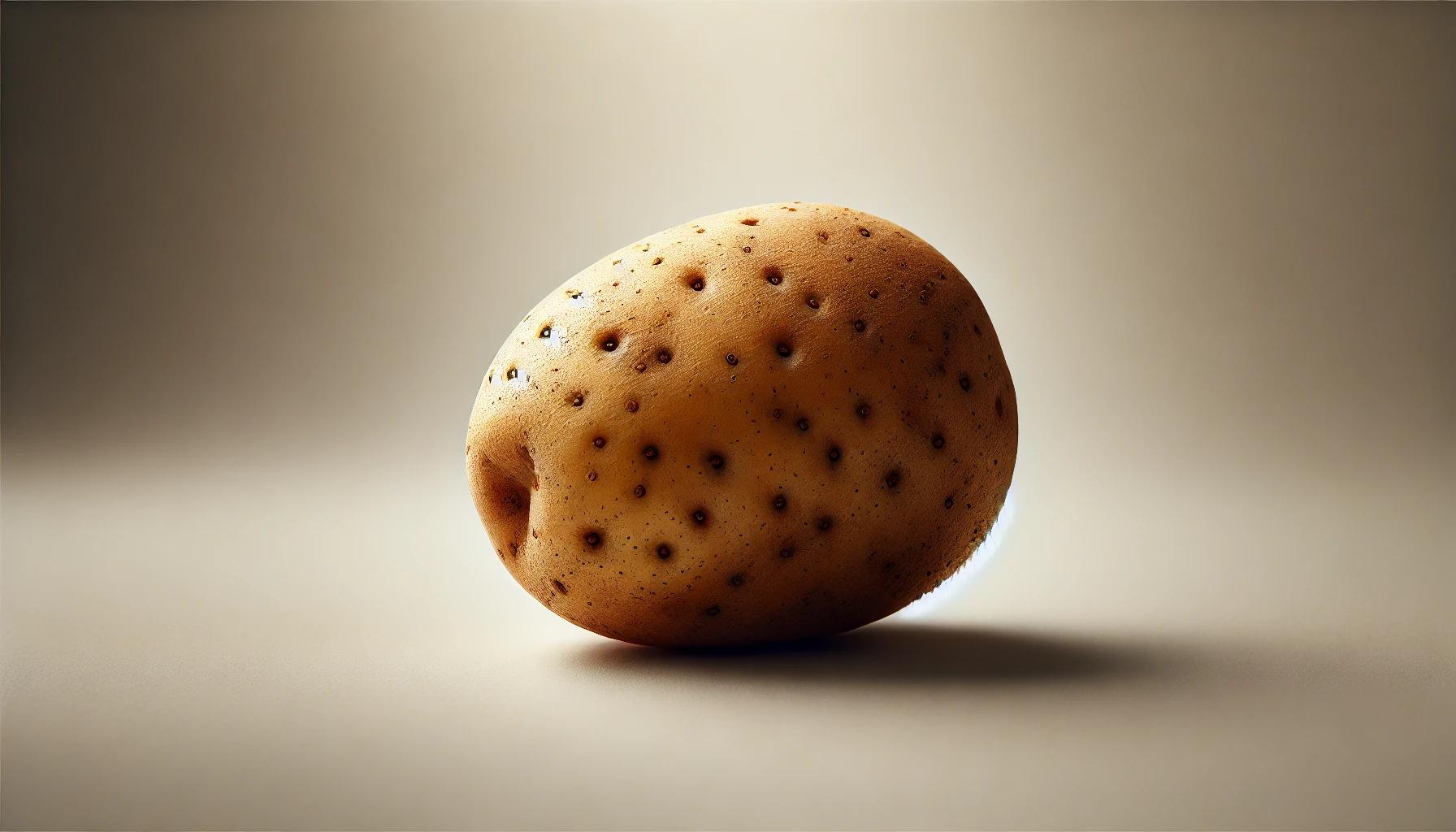
Growing potatoes can be a rewarding experience, whether you have a sprawling garden or just a few pots. Potatoes are versatile, forgiving, and a staple in many kitchens. With a little preparation and care, you can enjoy a harvest of fresh, delicious tubers straight from your own efforts.
Stages of potato growth
- Sprouting: This is the initial stage, where small green shoots called chits develop on the seed potatoes. These are encouraged before planting by keeping the potatoes in a light, cool environment.
- Shoot Growth: Once planted, leaves and stems emerge from the soil. These are the first visible signs of growth and indicate that the plant is establishing itself.
- Tuber Formation: This occurs after the plants flower. The flowers signal that energy is being directed underground to form tubers, which will eventually become your potatoes.
- Maturation: As the plant completes its lifecycle, the foliage will yellow and die back. This is a natural process indicating the potatoes are ready for harvesting.
Choosing the right variety
Selecting the right type of potato depends on your needs and available space. Here’s an overview of the main types:
- Earlies (e.g., Rocket, Swift): These are fast-growing and ready to harvest in about 10-12 weeks. They’re ideal if you want quick results or an early summer crop.
- Maincrop (e.g., Maris Piper, King Edward): These take longer to grow (18-20 weeks) but yield larger quantities. Perfect for dishes like roasting, mashing, and chips.
- Salad Potatoes (e.g., Charlotte, Pink Fir Apple): With a waxy texture, these hold their shape when boiled, making them excellent for salads and cold dishes.
For beginners or those with limited space, earlies or salad varieties are good choices. Container growers may find smaller salad potatoes easier to manage.
Preparing for planting
Soil requirements
Potatoes grow best in light, well-draining soil with a slightly acidic pH (around 5.0-6.0). To test the soil’s pH, you can use a simple pH testing kit available at garden centers. Mix a small sample of soil with distilled water and use the testing solution or strip to get a reading. Heavy clay soils can be improved by adding compost or well-rotted manure. For containers, use a mix of compost and garden soil.
Chitting potatoes
Before planting, sprout your seed potatoes (known as chitting). Here’s how:
- Place your seed potatoes in a cool, light area (not direct sunlight) with the “eyes” facing up.
- Over 2-3 weeks, they’ll develop short, green shoots.
This step isn’t essential but gives potatoes a head start, especially in cooler climates.
Can you just throw potatoes in the ground?
Technically, yes, but the results won’t be great. Without preparation, you risk poor yields, diseases, and uneven growth. Sprouting and planting in loose, fertile soil ensures healthier plants and better crops.
Planting Potatoes
When to plant
In the UK, the best time to plant is:
- Earlies: Late March to early April.
- Maincrop: Mid to late April.
For a late-season crop, you can plant as late as July using second cropping varieties.
How to plant
- In the Ground:
- Dig trenches about 15 cm deep and 60 cm apart.
- Place seed potatoes with the sprouts facing up, spacing them 30 cm apart.
- Cover with soil and water lightly.
- In Containers or Buckets:
- Add 10 cm of compost to the bottom of the container.
- Place 3-4 seed potatoes evenly spaced.
- Cover with 10 cm of compost and water well.
- Add more compost as the plants grow (earthing up).
Caring for potato plants
Watering and feeding
- Water consistently, especially during dry spells and when the plants flower (this is when tubers form).
- Feed every few weeks with a balanced fertilizer high in potassium to encourage tuber growth.
Earthing up
When the shoots are about 20 cm tall, mound soil or compost around the base of the plant, leaving just the top leaves exposed. This prevents tubers from being exposed to sunlight, which turns them green and inedible.
Harvesting
When are potatoes ready to dig up?
- Earlies: Ready 10-12 weeks after planting, once the flowers have opened or the buds drop.
- Maincrop: Harvest 18-20 weeks after planting, once the foliage turns yellow and starts to die back.
What do potato plants look like at harvest time?
At harvest time, the foliage may look a bit worse for wear—yellowing and drooping. This is normal and a sign the plant has finished its growth cycle.
How to harvest
- For plants in the ground, gently loosen the soil with a fork and lift the plant.
- For containers, tip them out carefully and sift through the soil for tubers.
Storing potatoes
After harvesting, leave your potatoes to cure for a few hours in a dry, airy space. This hardens their skins, making them last longer in storage.
- Store in a cool, dark place (5-10°C) in breathable bags or crates.
- Avoid storing near onions, as they can cause potatoes to spoil faster.
Common problems and solutions
- Blight: Blight is a common fungal disease that can quickly spread and damage your crop. If you spot signs of blight (brown spots on leaves or stems), remove the infected foliage immediately to prevent it from spreading further. For long-term prevention, consider growing blight-resistant varieties like Sarpo Mira and avoid overhead watering to reduce moisture on leaves.
- Slugs: Slugs often target potato plants, especially the young shoots. You can protect your plants by laying down organic slug pellets or using traps, such as shallow dishes filled with beer, to attract and drown them. Keep your garden tidy to reduce slug hiding spots and regularly check under leaves or debris for signs of slug activity.
- Small Yields: Small yields are often caused by poor soil quality or inconsistent watering. Ensure the soil is rich in nutrients by adding compost or fertilizer before planting. Water the plants regularly, especially during the tuber formation stage (when flowers appear), to support healthy growth.
Growing potatoes in a bucket
If you’re short on space, growing potatoes in buckets is simple and productive.
- Use a 10-15 litre bucket with drainage holes.
- Follow the same planting and earthing up process as outlined for containers.
- Keep in a sunny spot and water regularly.
Conclusion
Growing potatoes is straightforward and rewarding. With just a little effort, you can enjoy versatile, fresh potatoes and even experiment with different varieties or growing methods, like using buckets or containers. Start with a few seed potatoes, follow the basic steps, and enjoy fresh, homegrown spuds— whether from a garden plot or a humble bucket.