
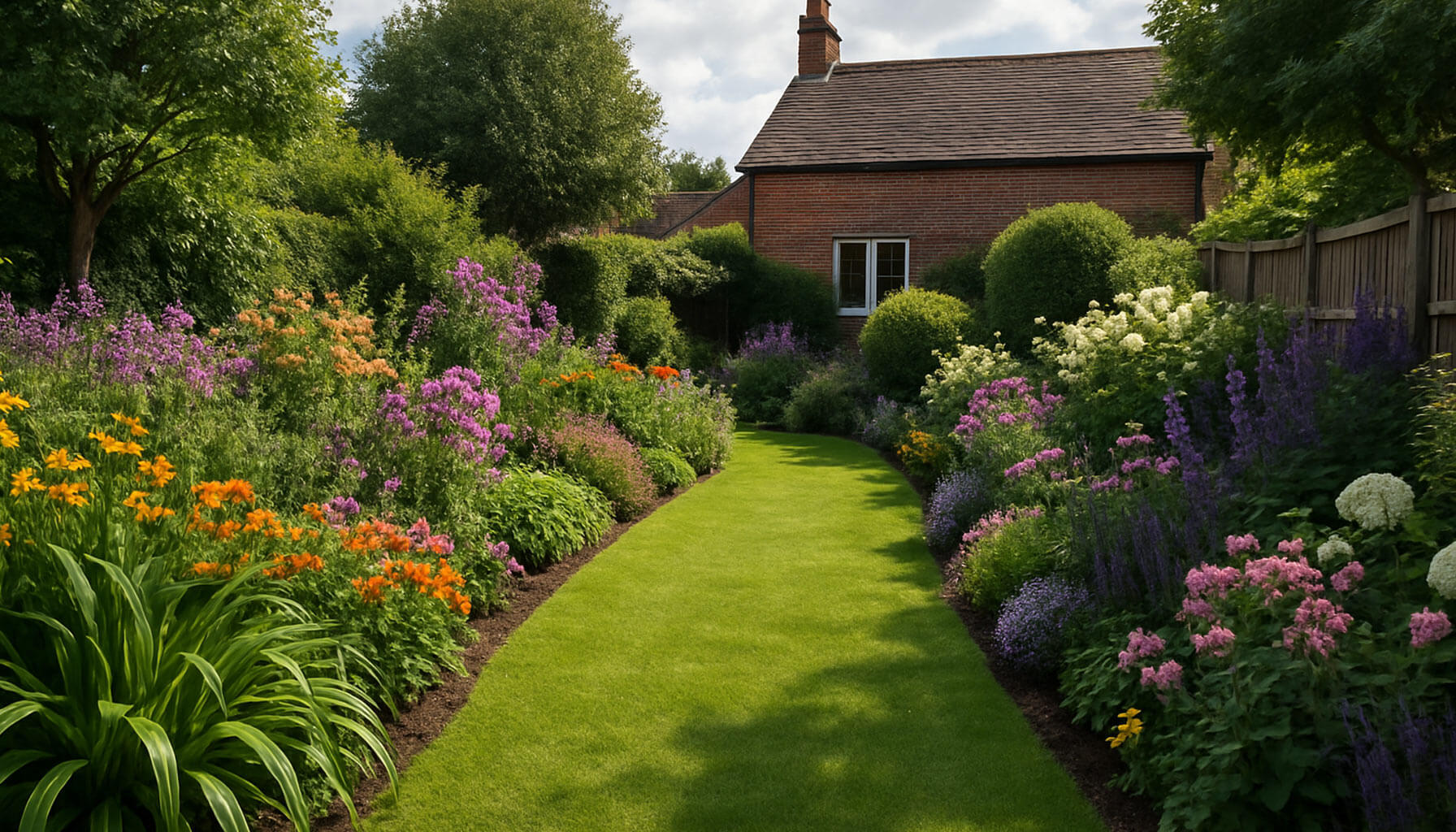
Gardening is one of the most rewarding hobbies — it keeps you active, lifts the mood, and puts fresh food and flowers at your fingertips. But as we get older, some tasks can become a bit more of a stretch. Kneeling down, gripping tightly, or lugging heavy watering cans isn’t always as easy as it used to be. The good news is that with the right tools and a few simple adjustments, gardening can stay every bit as enjoyable and comfortable. This guide looks at the best gardening tools for older gardeners — focusing on lightweight, ergonomic options and clever accessories that help take the strain out of garden jobs.
Tools for Those Who Can’t Kneel
Not everyone is comfortable kneeling on the ground, especially for long weeding or planting sessions. Luckily, there are plenty of alternatives.
- Long-handled tools: Look for extended trowels, forks, and hoes (Spear & Jackson and Burgon & Ball both make good UK options). They let you work from a seated position or while standing upright.
- Raised beds and planters: Waist-high planters or deep raised beds mean you can garden without bending or kneeling at all. Perfect for patios and small gardens.
- Kneeling benches with handles: If you prefer to kneel, a lightweight padded bench with side handles makes it easier to get back up again safely.
Best Weeding Tools for Seniors
Weeding can be one of the hardest jobs if bending and kneeling are a struggle. These tools make it easier:
- Stand-up weed pullers: These long-handled tools grip weeds at the root, allowing you to pull them out without stooping. Ideal for lawns and borders.
- Lightweight hoes: A narrow-bladed hoe is easier to push through the soil than a heavy-duty model, and works well for keeping beds weed-free.
- Mulches and weed fabric: Laying bark, compost, or weed-suppressing fabric cuts down on weeding altogether.
- Electric weed burners: For paths and patios, these let you deal with weeds without chemicals or bending.
Lightweight and Ergonomic Tools
Standard tools can be heavy and awkward. Switching to lighter, ergonomic designs makes a big difference.
- Soft-grip handles: Easier on the hands, especially if you have arthritis.
- Aluminium or carbon-fibre shafts: Much lighter than steel, reducing strain.
- Ratchet secateurs and loppers: These clever designs reduce the effort needed to cut through thicker stems.
- Multi-purpose tools: Tools that serve more than one purpose save storage space and reduce the need for lifting.
Watering Solutions
Watering is often one of the most physically demanding jobs in the garden. A few changes make it easier:
- Lightweight hoses: A hose with a spray gun is far easier than carrying heavy cans back and forth.
- Soaker hoses and drip irrigation: Great for borders and veg beds, as they water plants slowly with very little effort from you.
- Small watering cans: For container plants, choose a smaller can made of lightweight plastic instead of metal.
Gardening Aids and Accessories
It’s often the small accessories that make the biggest difference.
- Garden carts and trugs on wheels: Save carrying heavy loads of compost or cuttings.
- Padded kneelers and seats: Give comfort while working close to the ground. Folding benches are easy to store.
- Gloves with extra grip: Designed to make holding tools easier and to protect against strain.
Tips for Comfortable Gardening
- Break jobs into short, manageable sessions instead of tackling everything at once.
- Work in the cooler parts of the day to avoid heat and fatigue.
- Keep your tools sharp — a sharp blade needs much less effort.
- Position raised planters or beds at waist height to save your back.
- Store tools in an easy-to-reach spot to avoid lifting or bending unnecessarily.
Conclusion
Gardening should always be a pleasure, never a chore. With the right tools and accessories, there’s no reason to give it up as you get older. From lightweight secateurs to raised beds and clever weed pullers, these simple changes make all the difference. With a little adjustment, you can keep gardening for years to come — enjoying the exercise, independence, and joy that only time spent in the garden can bring.