
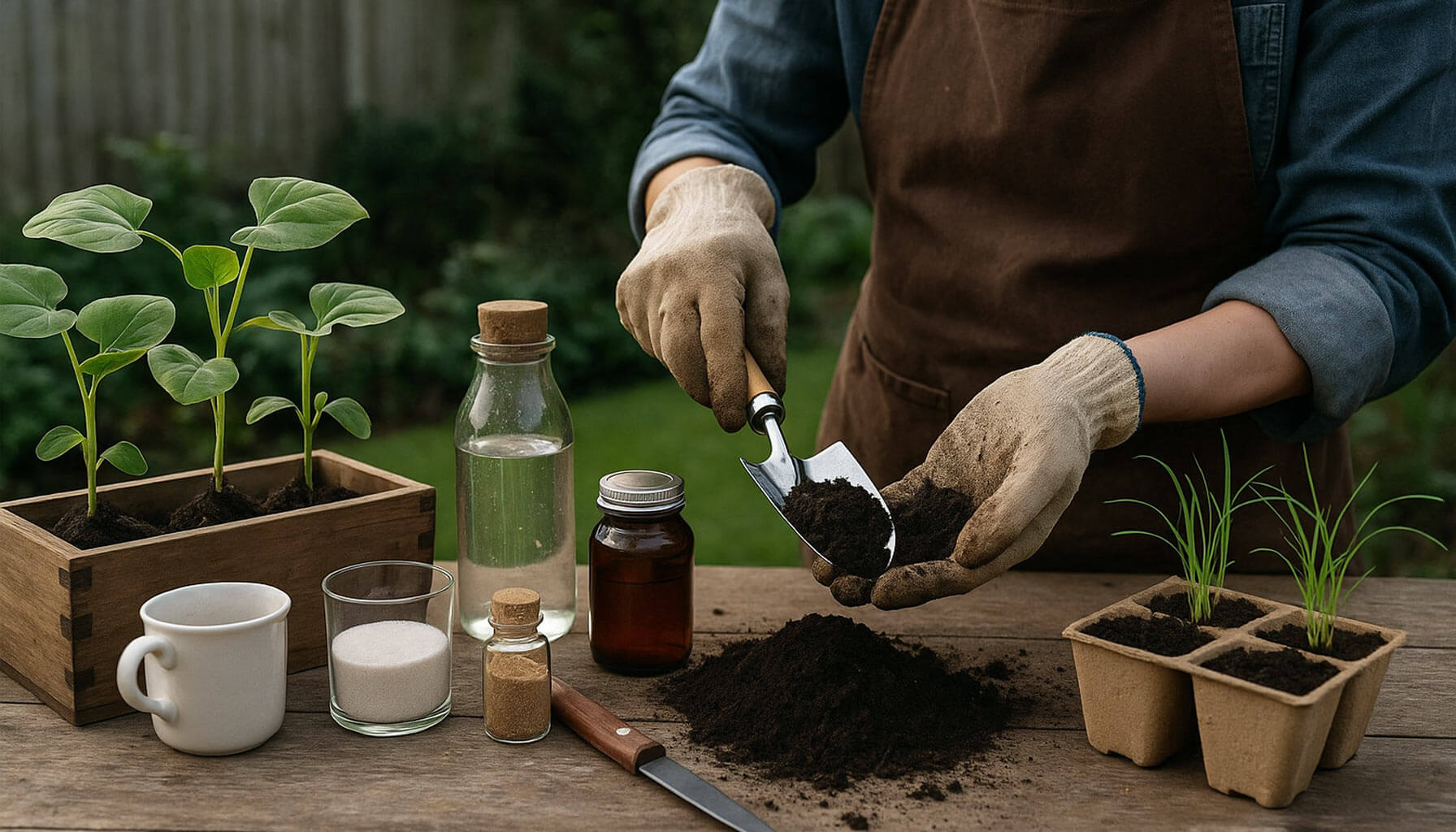
Soil pH plays a crucial role in gardening and plant health. It influences the availability of nutrients and the overall growth of your plants. Here’s a guide to testing your soil’s pH at home, with or without a kit, and adjusting it for better gardening results.
What Is Soil pH?
Soil pH measures how acidic or alkaline the soil is on a scale of 1 to 14:
- Acidic: Below 7. Plants like blueberries and azaleas thrive in acidic soil.
- Neutral: Around 7. Most vegetables and flowers prefer this range.
- Alkaline: Above 7. Plants like lavender and clematis grow well in alkaline conditions.
Soil pH directly affects nutrient availability. For example, iron and manganese are more accessible in acidic soils, while calcium and magnesium are more available in alkaline soils. Knowing your soil’s pH helps you make informed decisions about plant choices and soil amendments. Adjusting soil pH can also remedy poor flowering or stunted growth in sensitive plants.
How to Test Soil pH Without a Kit
You don’t need a professional kit to test your soil’s pH. Here are a few reliable DIY methods:
- Baking Soda and Vinegar Test:
- Take two soil samples in separate containers.
- Add a splash of vinegar to one. If it bubbles, your soil is alkaline (pH > 7).
- To the other, add water to create a paste, then sprinkle baking soda. Bubbling indicates acidic soil (pH < 7).
- Red Cabbage Indicator:
- Chop red cabbage and boil in water for 10 minutes. Strain and cool the liquid.
- Add a few drops of the cabbage liquid to soil samples. The color change indicates pH:
- Red/pink = Acidic
- Purple = Neutral
- Green/yellow = Alkaline
- Tea or Coffee Test:
- Brew weak tea or coffee and pour it onto the soil. If the color darkens significantly, it might suggest acidic soil. However, this method is less precise and better as a complementary indicator.
Signs of Acidic or Alkaline Soil
Observing your garden can provide clues about your soil’s pH:
- Acidic Soil:
- Yellowing leaves due to nutrient deficiencies like iron or magnesium.
- Common weeds like sorrel or dock.
- Reduced flowering in vegetables and ornamentals.
- Alkaline Soil:
- Stunted growth or pale, brittle leaves due to nutrient lock-up.
- Presence of weeds like dandelions or chickweed.
- Poor fruiting in crops like tomatoes and strawberries.
Adjusting Soil pH Naturally
Making Soil More Acidic
- Add organic materials such as composted pine needles or sulfur.
- Coffee grounds or elemental sulfur can lower pH gradually.
- Incorporate sphagnum peat moss for a long-term effect.
Making Soil Less Acidic
- Apply agricultural lime to increase alkalinity; use about 50 grams per square metre for small adjustments.
- Wood ash or baking soda solutions can help raise the pH. Mix 1 tablespoon of baking soda per gallon of water and apply sparingly.
- Avoid overapplication to prevent harmful alkalinity.
DIY pH Testers
If you want to create a simple, reusable tester:
- Red Cabbage Indicator:
- Follow the method described above, but store the cabbage liquid in a sealed container for repeated use. Replace it every few weeks to ensure accuracy.
- Turmeric Test:
- Mix turmeric with water to create a paste. Add soil samples; color changes indicate pH (yellow for acidic, orange for alkaline).
Testing Accuracy
Homemade tests are useful but less precise than commercial kits or pH meters. Kits provide numerical readings, while DIY methods give approximate results. To improve accuracy:
- Test multiple soil samples from different parts of your garden to account for variability.
- Avoid contamination by using clean tools and containers.
- Homemade methods might not detect slight pH changes, so consider a soil pH meter for detailed readings. For instance, if your plants struggle even after adjustments, a professional kit may reveal subtle issues.
Tips for Maintaining Balanced pH
- Rotate crops annually to prevent nutrient depletion and imbalances.
- Regularly add compost or organic matter to stabilize pH levels over time.
- Test soil pH at least twice a year, especially before planting sensitive crops.
- Mulch with organic materials to maintain moisture and buffer pH swings.
Testing soil pH at home is simple and can make a big difference in your gardening success. By monitoring and adjusting your soil’s pH, you’ll create the ideal environment for plants to thrive and enjoy better yields and healthier growth.