
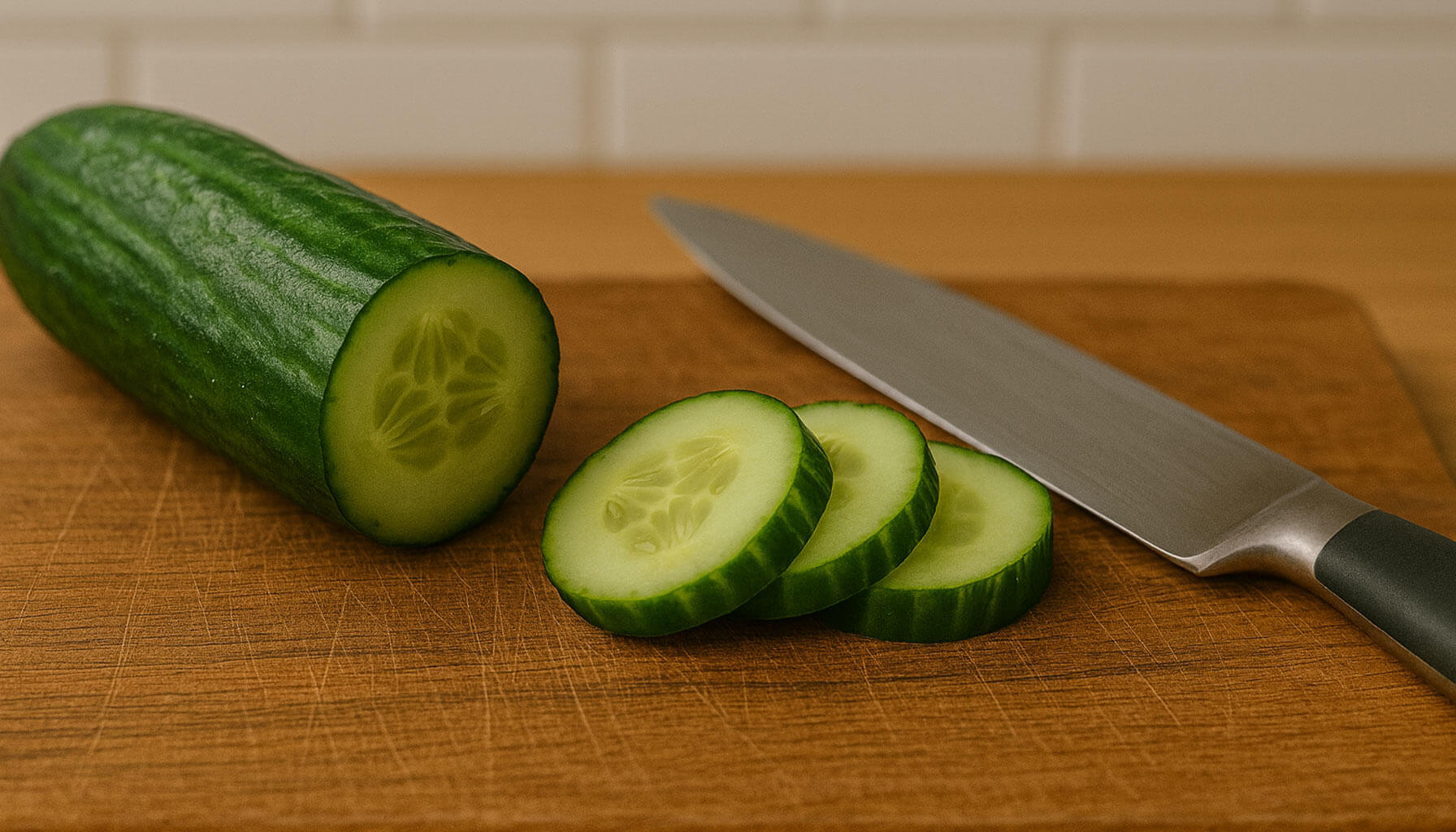
Cucumbers are a versatile and rewarding crop to grow in your garden or even in pots. With the right preparation and care, they can thrive and provide a generous harvest. Here’s a step-by-step guide to growing cucumbers successfully.
Choosing Where to Plant
Cucumbers can grow well in both the ground and pots, but each option has its pros and cons. Ground planting suits regions with longer growing seasons and is best for gardeners with ample space. Pots, on the other hand, are more manageable for beginners and those in cooler climates, as they allow for easier temperature control and mobility.
- In the Ground: Ideal for large spaces. Cucumbers planted directly in the soil have room to spread and develop strong roots. Ensure the site gets full sun and is sheltered from strong winds.
- In Pots: Perfect for smaller spaces like patios or balconies. Use pots at least 30 cm in diameter with drainage holes. Good drainage prevents waterlogging, which can cause root rot and inhibit healthy plant growth. Choose compact cucumber varieties if growing in pots.
Key Tip: Cucumbers need warm soil to thrive. Avoid planting outdoors until the risk of frost has passed, usually late spring in the UK. Varieties like ‘Marketmore’ and ‘Telegraph Improved’ are well-suited for the UK’s often unpredictable weather.
Preparing the Soil
Healthy soil is essential for cucumbers because it provides the necessary nutrients, supports root development, and ensures proper drainage to prevent waterlogging. Follow these steps to prepare:
- Check the pH: Cucumbers prefer slightly acidic to neutral soil (pH 6.0 to 7.0).
- Improve Fertility: Mix in plenty of well-rotted compost or manure to enrich the soil. This improves drainage and provides essential nutrients.
- Loosen the Soil: Break up compacted soil to allow roots to spread easily.
For pots, use a high-quality potting mix with added compost.
Planting Cucumbers
- Spacing and Depth: Sow seeds about 2 cm deep, spacing them 30-40 cm apart in rows. For pots, plant one seed per container or two seeds in a larger trough.
- Watering After Planting: Keep the soil consistently moist but not waterlogged.
- Hardening Off: If starting indoors, harden off seedlings by gradually exposing them to outdoor conditions over a week.
Key Tip: Consider companion planting with marigolds or nasturtiums to deter pests.
Supporting Your Plants
Cucumbers grow best when they can climb. Trellising keeps the fruit clean, prevents rot, and saves space. This is especially helpful in the UK’s damp climate, as it reduces contact with wet soil that can lead to rot. Additionally, trellising improves air circulation, reducing the risk of fungal diseases, and makes harvesting easier, which can ultimately enhance yield.
- Types of Support: Use trellises, bamboo canes, or wire frames.
- Training the Vines: Gently tie the main stem to the support as it grows. Avoid tying too tightly.
Key Tip: Bush cucumber varieties don’t require support, making them better for pots.
Maintenance and Care
- Watering: Cucumbers need consistent moisture, especially when flowering and fruiting. Water deeply 2-3 times a week. Signs of overwatering include yellowing leaves and soggy soil, while underwatered plants may wilt or have dry, cracked soil.
- Feeding: Use a liquid fertilizer high in potassium (like tomato feed) every two weeks once flowering begins.
- Managing Flowers:
- Male Flowers: If fruit production is low, remove excess male flowers (those without a tiny cucumber at the base).
- Hand Pollination: In low-pollinator areas, transfer pollen from male to female flowers with a small brush.
- Pinching Out: For vining cucumbers, pinch out side shoots to encourage a stronger main vine.
Common Issues and Solutions
- Cucumbers Forming But Not Growing: Check watering and feeding. Insufficient water or nutrients often cause stunted fruit. During the fruiting stage, cucumbers benefit most from nutrients like potassium and phosphorus, which support fruit development, alongside moderate levels of nitrogen for healthy foliage.
- Pests and Diseases:
- Aphids: Spray with soapy water.
- Slugs: Common in the UK, these can be deterred using organic slug pellets or copper tape around pots.
- Powdery Mildew: Remove affected leaves and improve airflow around plants.
- Yellowing Leaves: This can indicate overwatering or a lack of nitrogen. Adjust care accordingly.
Harvesting Cucumbers
- When to Harvest: Pick cucumbers when they reach their full size but are still firm and bright green. Typically, cucumbers are ready to harvest about 10-14 days after flowering, depending on the variety. Overripe cucumbers become bitter.
- How to Harvest: Use scissors or a knife to cut the fruit cleanly from the vine. Avoid pulling to prevent damage.
Key Tip: Frequent harvesting encourages the plant to produce more fruit.
Final Tips
- Rotate cucumber crops each year to prevent soil-borne diseases.
- Avoid planting cucumbers near potatoes or strong-smelling herbs, which can inhibit growth.
- Store cucumbers in a cool, dry place and use within a few days for the best taste.
Growing cucumbers is straightforward with the right approach. Whether in the ground or pots, their crisp, refreshing taste is well worth the effort.